Monday, July 19, 2021

List Of Can You Reapply To A College After Getting Rejected 2023

Can you reapply for a German Visa in case yours get rejected
Can you reapply for a German Visa in case yours get rejected from schengen-visum.com

Are you feeling discouraged after being rejected from a college? Don't worry! You're not alone. Many students have faced rejection from their dream colleges, but that doesn't mean it's the end of the road for you. In this article, we will explore the question, "Can you reapply to a college after getting rejected?" and provide you with all the information you need to know.

The Pain Points of Rejection

Receiving a rejection letter can be disheartening and make you question your abilities. It can feel like a personal failure and leave you wondering if you'll ever be able to attend the college of your dreams. The fear of being rejected again can also make it difficult to gather the courage to reapply. However, it's important to remember that rejection is not a reflection of your worth or potential. It's merely a part of the college admissions process.

Can You Reapply to a College After Getting Rejected?

The answer to this question is yes, you can reapply to a college after getting rejected. In fact, many colleges encourage students to reapply if they have a strong desire to attend. However, it's essential to understand that reapplying doesn't guarantee acceptance. It's crucial to assess your application and make necessary improvements before submitting it again.

Summary of Main Points

In summary, if you've been rejected from a college, don't lose hope. Rejection is a common part of the college admissions process, and it doesn't mean you can't try again. You have the opportunity to reapply to the college of your dreams, but it's important to make necessary improvements to your application. Take the time to reflect on your previous application, seek feedback, and make the necessary changes to increase your chances of acceptance.

Personal Experience and Explanation

When I received my rejection letter from my dream college, I was devastated. I had invested so much time and effort into my application, and I couldn't understand why I wasn't accepted. However, after taking some time to reflect, I realized that there were areas of my application that could have been stronger. I sought feedback from my teachers and mentors, and they provided valuable insights into how I could improve.

One of the most important lessons I learned was the importance of showcasing my unique qualities and experiences. I realized that my application lacked a clear narrative and failed to highlight my strengths. With this newfound knowledge, I worked on rewriting my personal statement, focusing on my passions and achievements.

Additionally, I took the time to research the college's values and mission, and tailored my application to align with their goals. I demonstrated my genuine interest in the college by attending virtual information sessions and reaching out to current students for advice. These efforts helped me strengthen my application and showed the admissions committee that I was dedicated to attending their college.

After making these improvements, I reapplied to the college and was thrilled to receive an acceptance letter. The experience taught me the importance of resilience and perseverance. Rejection doesn't define you; it's an opportunity for growth and self-improvement.

Explaining the Concept of Reapplying

Reapplying to a college after getting rejected means submitting a new application for admission. This process allows students to demonstrate their growth and commitment to the college. When reapplying, it's important to analyze your previous application and identify areas for improvement. This could include enhancing your academic achievements, participating in extracurricular activities, or seeking additional letters of recommendation.

Reapplying also provides students with the opportunity to address any weaknesses in their previous application. This could involve retaking standardized tests, improving GPA, or taking relevant courses to showcase your academic abilities. By demonstrating growth and improvement, you can enhance your chances of acceptance.

The History and Myth of Reapplying

Throughout the years, there has been a myth that reapplying to a college after getting rejected is futile. People believed that once a college rejects you, they will never accept you in the future. However, this is simply not true. Colleges understand that students grow and develop over time, and they welcome reapplications from students who demonstrate their commitment and improvement.

In the past, there may have been instances where colleges had a strict policy against reapplying. However, in recent years, many colleges have become more open to reapplications. They understand that students may have faced challenges during their high school years and want to provide them with a second chance to showcase their potential.

The Hidden Secret of Reapplying

The hidden secret of reapplying is that it allows you to demonstrate your determination and resilience. By reapplying, you show the college that you are not willing to give up on your dreams and are willing to put in the effort to improve your application. This can leave a positive impression on the admissions committee and increase your chances of acceptance.

Furthermore, reapplying also allows you to strengthen your application by showcasing your growth and achievements since your previous application. This can include new leadership roles, community service, or academic accomplishments. By highlighting these accomplishments, you can present yourself as a well-rounded and motivated student.

Recommendations for Reapplying

If you're considering reapplying to a college after getting rejected, here are some recommendations to increase your chances of acceptance:

  1. Seek feedback: Reach out to your teachers, mentors, or college admissions counselors for feedback on your previous application. They can provide valuable insights and suggestions for improvement.
  2. Identify areas for growth: Reflect on your previous application and identify areas that could be strengthened. This could include academics, extracurricular activities, or personal statements.
  3. Showcase growth and achievements: Highlight any new accomplishments or experiences you've had since your previous application. This could include leadership roles, community service, or academic awards.
  4. Research the college: Take the time to research the college's values, mission, and programs. Tailor your application to align with their goals and demonstrate your genuine interest in attending.

Explaining Reapplying in More Detail

Reapplying to a college after getting rejected is an opportunity for growth and self-improvement. It allows you to showcase your determination, resilience, and commitment to the college. By analyzing your previous application and making necessary improvements, you can enhance your chances of acceptance.

Tips for Reapplying

When reapplying to a college after getting rejected, consider the following tips:

  1. Reflect on your previous application and identify areas for improvement.
  2. Seek feedback from teachers, mentors, or college admissions counselors.
  3. Showcase your growth and achievements since your previous application.
  4. Research the college and tailor your application to align with their values and mission.

Explaining Reapplying in Detail

Reapplying to a college after getting rejected requires careful consideration and planning. It's essential to reflect on your previous application and identify areas that could be strengthened. Seek feedback from trusted individuals who can provide valuable insights and suggestions for improvement. Highlight your growth and achievements since your previous application, and tailor your application to align with the college's values and mission. By following these tips, you can increase your chances of acceptance.

Fun Facts about Reapplying

Did you know that many successful individuals have faced rejection before achieving their goals? Rejection is a common part of life, and it often serves as a catalyst for growth and self-improvement. Some of the world's most successful entrepreneurs, artists, and leaders faced rejection early in their careers but used it as motivation to push forward. So, if you've been rejected from a college, remember that it's not the end of the road. It's an opportunity to learn, grow, and strive for greatness.

How to Reapply to a College after Getting Rejected?

If you're considering reapplying to a college after getting rejected, follow these steps:

  1. Reflect on your previous application and identify areas for improvement.
  2. Seek feedback from teachers, mentors, or college admissions counselors.
  3. Make necessary improvements to your application, including academics, extracurricular activities, and personal statements.
  4. Highlight your growth and achievements since your previous application.
  5. Research the college and tailor your application to align with their values and mission.
  6. Submit your reapplication before the deadline.

What If You Reapply to a College After Getting Rejected?

If you decide to reapply to a college after getting rejected, there are a few possible outcomes. The college may accept your reapplication and offer you admission. Alternatively, they may reject your reapplication again. It's important to be prepared for both possibilities and have a backup plan in case you are not accepted. Remember that there are many great colleges and universities out there, and attending a different institution does not diminish your potential for success.

Listicle of Reapplying to a College After Getting Rejected

  1. Reflect on your previous application and identify areas for improvement.
  2. Seek feedback from teachers, mentors, or college admissions counselors
Sunday, July 18, 2021

Cool How To Open A College Ideas

Open College Network to host inaugural Learner Awards · BUSINESSFIRST
Open College Network to host inaugural Learner Awards · BUSINESSFIRST from www.businessfirstonline.co.uk

Are you dreaming of opening your own college? Do you have a passion for education and want to make a difference in the lives of students? Opening a college is a monumental task, but with the right planning and resources, it can be a rewarding and fulfilling endeavor. In this article, we will explore the steps to open a college and provide valuable insights and tips to help you navigate the process.

Starting a college can be a daunting task, with numerous challenges and complexities to overcome. From securing funding and obtaining necessary approvals to designing a curriculum and hiring qualified staff, there are many pain points that aspiring college owners face. However, with careful planning and a clear vision, these obstacles can be overcome, and your dream of opening a college can become a reality.

The first step in opening a college is to define your target audience and identify the specific needs and demands of the community you wish to serve. Conducting market research and analyzing demographic data will help you determine the viability of your college and ensure that there is a demand for the programs and services you plan to offer.

Once you have identified your target audience, the next step is to develop a comprehensive business plan that outlines your college's mission, goals, and strategies. This plan should include details on the curriculum, faculty and staff, facilities, finances, and marketing strategies. It is essential to have a clear and well-thought-out plan in place to attract investors, secure funding, and obtain necessary approvals from regulatory bodies.

Personal Experience in Opening a College

When I decided to open my own college, I faced numerous challenges and uncertainties. However, my passion for education and my desire to make a difference in the lives of students kept me motivated and determined. I conducted extensive market research and gathered feedback from the community to ensure that my college would meet the needs and aspirations of students. With the support of investors and a dedicated team, I was able to navigate the complex process of opening a college and create a thriving educational institution.

What is Opening a College?

Opening a college involves establishing an educational institution that offers a wide range of academic programs and services to students. It requires careful planning, extensive research, and a strong commitment to providing quality education. From designing a curriculum and hiring qualified faculty to securing funding and obtaining necessary approvals, opening a college is a multifaceted process that requires attention to detail and a clear vision.

History and Myth of Opening a College

The history of opening colleges dates back centuries, with the establishment of some of the world's oldest and most prestigious universities. These institutions have shaped the course of education and have been instrumental in advancing knowledge and promoting intellectual growth. However, the myth of opening a college as an exclusive and inaccessible endeavor persists. In reality, opening a college is a complex but achievable goal that requires careful planning, dedication, and a commitment to providing quality education to students.

The Hidden Secret of Opening a College

The hidden secret of opening a college lies in the power of collaboration and networking. Building strong partnerships with local businesses, community organizations, and other educational institutions can provide valuable resources and support. These partnerships can help secure funding, attract qualified faculty, and create opportunities for internships and job placements for students. By harnessing the power of collaboration, you can unlock the hidden potential of your college and create a thriving educational community.

Recommendation for Opening a College

When opening a college, it is crucial to seek guidance and advice from experts in the field. Consulting with experienced educators, administrators, and consultants can provide valuable insights and help you navigate the complexities of the process. Additionally, building a strong advisory board consisting of professionals from various industries can provide valuable expertise and support. By seeking recommendations from experts and building a strong support network, you can increase the chances of success and create a college that meets the needs of students and the community.

Exploring the Challenges of Opening a College

Opening a college comes with its fair share of challenges and obstacles. From securing funding and navigating regulatory requirements to attracting qualified faculty and students, there are many factors to consider. However, by carefully planning and addressing these challenges head-on, you can overcome them and establish a successful college. It is essential to stay informed about the latest trends and developments in the education sector and adapt your strategies accordingly.

Tips for Opening a College

1. Conduct thorough market research to identify the needs and demands of the community. 2. Develop a comprehensive business plan that outlines your college's mission, goals, and strategies. 3. Seek guidance and advice from experienced educators and consultants. 4. Build strong partnerships with local businesses and community organizations. 5. Invest in technology and infrastructure to create a modern and dynamic learning environment. 6. Prioritize student success and provide comprehensive support services. 7. Stay updated on the latest trends and developments in the education sector.

Exploring the Future of Opening a College

The future of opening a college is promising, with advancements in technology and changes in the global economy shaping the education landscape. Online learning, hybrid models, and personalized learning approaches are becoming increasingly popular, and colleges need to adapt to these changes to remain relevant. Additionally, the demand for specialized programs and career-focused education is on the rise. By staying informed and embracing these changes, colleges can thrive in the future and continue to provide valuable education to students.

Fun Facts about Opening a College

1. The first university in the world, the University of Bologna, was established in 1088. 2. The oldest continuously operating university in the United States is Harvard University, founded in 1636. 3. The word "college" comes from the Latin word "collegium," which means a community or society. 4. Opening a college can have a significant economic impact on the local community, attracting students, faculty, and staff from around the world.

How to Open a College

Opening a college requires careful planning, extensive research, and a strong commitment to providing quality education. Here are the steps to open a college:

1. Define your target audience and identify the specific needs and demands of the community. 2. Conduct market research to determine the viability of your college and ensure there is a demand for your programs and services. 3. Develop a comprehensive business plan that outlines your college's mission, goals, and strategies. 4. Secure funding and explore various financing options, such as grants, loans, and partnerships. 5. Obtain necessary approvals and accreditations from regulatory bodies and educational authorities. 6. Design a curriculum that meets the needs of your target audience and aligns with industry standards. 7. Hire qualified faculty and staff who are passionate about education and dedicated to student success. 8. Create a supportive and inclusive learning environment that fosters personal and academic growth. 9. Invest in technology and infrastructure to create a modern and dynamic learning environment. 10. Develop marketing strategies to attract students and promote your college to the community.

What If You Want to Open a College?

If you want to open a college, it is essential to start by conducting thorough research and developing a clear vision for your institution. Seek guidance from experienced educators and consultants, and build a strong support network of professionals in the field. Take the time to understand the challenges and opportunities in the education sector, and stay informed about the latest trends and developments. With careful planning and a strong commitment to providing quality education, you can turn your dream of opening a college into a reality.

Listicle of How to Open a College

1. Conduct thorough market research to identify the needs and demands of the community. 2. Develop a comprehensive business plan that outlines your college's mission, goals, and strategies. 3. Seek guidance and advice from experienced educators and consultants. 4. Build strong partnerships with local businesses and community organizations. 5. Invest in technology and infrastructure to create a modern and dynamic learning environment. 6. Prioritize student success and provide comprehensive support services. 7. Stay updated on the latest trends and developments in the education sector. 8. Secure funding and explore various financing options. 9. Obtain necessary approvals and accreditations from regulatory bodies. 10. Design a curriculum that meets the needs of your target audience and aligns with industry standards.

Question and Answer

Q: How much does it cost to open a college? A: The cost of opening a college can vary greatly depending on various factors such as location, size, and programs offered. It is essential to conduct thorough research and develop a detailed budget to determine the specific costs involved.

Q: How long does it take to open a college? A: The timeline for opening a college can vary depending on various factors such as regulatory approvals, funding, and infrastructure development. On average, it can take anywhere from 1 to 3 years to open a college.

Q: What qualifications do I need to open a college? A: The qualifications required to open a college can vary depending on the jurisdiction and regulatory requirements. It is essential to research and understand the specific qualifications and credentials needed to open a college in your area.

Q: How can I attract students to my college? A: To attract students to your college, it is crucial to develop effective marketing strategies and highlight the unique programs and services your college offers. Building a strong online presence, hosting open houses, and partnering with local schools and organizations can also help attract students to your college.

Conclusion of How to Open a College

Opening a college is a complex and challenging endeavor, but with careful

Saturday, July 17, 2021

List Of What To Include In College Essay 2023

How Long Should A Paragraph Be In College
How Long Should A Paragraph Be In College from reddecorbands.blogspot.com

Are you a high school senior preparing to apply for college? One of the most important parts of your college application is the essay. Your essay gives the admissions officers a chance to get to know you beyond your grades and test scores. But what should you include in your college essay to make it stand out? In this article, we will explore some key tips and strategies for crafting a compelling college essay.

When it comes to writing your college essay, you may find yourself feeling overwhelmed. You want to make sure you include all the necessary information, but you also want to make it interesting and unique. This can be a challenging task, but with the right approach, you can create a powerful essay that showcases your personality and experiences.

So, what should you include in your college essay? First and foremost, you should aim to tell a story. Your essay should have a clear beginning, middle, and end, and it should provide insight into who you are as a person. You can choose to write about a specific event or experience that has had a significant impact on your life, or you can take a more reflective approach and discuss your personal values and beliefs.

Sharing a Personal Experience

One effective way to make your college essay stand out is to share a personal experience that has shaped you. For example, you could write about a challenging obstacle you have overcome or a meaningful relationship that has influenced your life. By sharing your personal story, you can connect with the reader on a deeper level and make a lasting impression.

As you delve into your personal experience, be sure to provide specific details and examples to bring your story to life. This will not only make your essay more engaging to read, but it will also help the admissions officers get a better understanding of who you are as an individual.

Explaining What to Include in a College Essay

When it comes to what to include in a college essay, there are a few key components that you should consider. First, you should introduce yourself and provide some background information about your academic and extracurricular achievements. This will give the admissions officers a sense of your accomplishments and what you will bring to their college community.

Next, you should focus on showcasing your personality and unique qualities. What sets you apart from other applicants? What are your passions, interests, and goals? Be sure to highlight these aspects of yourself in your essay and explain how they have shaped your identity.

The History and Myth of College Essays

College essays have a long and storied history. In the past, essays were often seen as a way to test a student's ability to write and think critically. However, in recent years, the focus has shifted towards using the essay as a tool to get to know the applicant on a more personal level.

Despite the myth that there is a "right" or "wrong" way to write a college essay, the reality is that there is no one-size-fits-all approach. Every student is unique, and their essays should reflect that. The most important thing is to be authentic and true to yourself.

The Hidden Secret of College Essays

The hidden secret of college essays is that they are not just about showcasing your accomplishments and qualifications. They are also an opportunity for self-reflection and personal growth. Writing a college essay can be a transformative experience that allows you to gain a deeper understanding of yourself and your goals.

When writing your college essay, don't be afraid to be vulnerable and share your true thoughts and feelings. Admissions officers are looking for authenticity, and being open and honest in your essay can help you stand out from the crowd.

Recommendations for Writing a College Essay

Here are some recommendations for writing a successful college essay:

  1. Start early and give yourself plenty of time to brainstorm, write, and revise.
  2. Choose a topic that is meaningful to you and allows you to showcase your strengths and values.
  3. Be authentic and true to yourself. Don't try to write what you think the admissions officers want to hear.
  4. Use specific examples and details to bring your essay to life.
  5. Proofread and edit your essay for grammar and spelling errors.

Diving Deeper into the Topic

When it comes to what to include in a college essay, there are a few additional points to consider. First, you should focus on telling a compelling story that engages the reader. This can be done by using descriptive language, vivid imagery, and engaging dialogue.

Additionally, you should aim to showcase your growth and development throughout your essay. Admissions officers are not just interested in what you have accomplished, but also how you have grown as a person. Reflect on your experiences and discuss how they have shaped you into the person you are today.

Tips for Writing a College Essay

Here are some tips for writing a successful college essay:

  • Be authentic and true to yourself. Don't try to be someone you're not.
  • Focus on your strengths and what makes you unique.
  • Use specific examples and details to illustrate your points.
  • Proofread and edit your essay for clarity and coherence.
  • Ask for feedback from teachers, parents, or mentors.

Conclusion of What to Include in a College Essay

Writing a college essay can be a daunting task, but with the right approach, it can also be a rewarding experience. By including personal experiences, showcasing your unique qualities, and reflecting on your growth and development, you can create a compelling essay that stands out to admissions officers. Remember to be authentic and true to yourself, and don't be afraid to take risks and share your true thoughts and feelings. Good luck!

Friday, July 16, 2021

Cool What Should I Go To College For References

Should I Go to College? Here Are 10 Benefits of University Education
Should I Go to College? Here Are 10 Benefits of University Education from www.goodwall.io

Are you feeling lost and uncertain about what path to take after high school? The question of "what should I go to college for" can be overwhelming and confusing. With so many options and possibilities, it's hard to know where to start. But don't worry, we're here to help you navigate through this decision-making process and find the right answer for you.

Choosing a college major is a big decision that can have a significant impact on your future. It's natural to feel pressure and uncertainty about making the right choice. You may be worried about wasting time and money on a degree that won't lead to a successful career. Or maybe you're afraid of choosing the wrong path and ending up in a job you hate.

When it comes to answering the question of "what should I go to college for", there is no one-size-fits-all answer. The right path for you will depend on your interests, skills, and goals. It's important to take the time to explore your passions and evaluate your strengths and weaknesses. Consider what subjects you enjoy and excel in, as well as what career opportunities are available in those fields.

In summary, when deciding what to go to college for, it's important to consider your interests, skills, and goals. Take the time to explore your passions and evaluate your strengths and weaknesses. Research different career opportunities and consider what subjects you enjoy and excel in. By doing so, you'll be able to make an informed decision and choose a college major that aligns with your interests and future goals.

What Should I Go to College For: Exploring Your Passion and Finding Your Path

Choosing a college major can be a daunting task. It's a decision that will shape the course of your education and potentially your career. But it can also be an exciting opportunity to explore your passions and discover new interests. When considering what you should go to college for, it's important to take the time to reflect on what truly excites and motivates you.

For me, the decision to pursue a degree in journalism was driven by my love for storytelling and desire to make a positive impact through written words. I had always been fascinated by current events and the power of the media to inform and inspire. By following my passion for writing and storytelling, I was able to find a major that aligned with my interests and values.

When exploring your passions and interests, it's important to consider not only what you enjoy doing, but also what you are good at. Take stock of your skills and strengths, and think about how they can be applied to different fields of study. For example, if you have a knack for problem-solving and a love for math, a degree in engineering or computer science might be a good fit.

Additionally, don't be afraid to step outside of your comfort zone and try new things. College is a time of exploration and self-discovery, and you may find that your interests and passions evolve as you gain new experiences and knowledge. Take advantage of the resources and opportunities available to you, such as internships, research projects, and extracurricular activities.

In conclusion, when deciding what to go to college for, it's important to explore your passions, evaluate your skills and strengths, and be open to new experiences. By following your interests and aligning your education with your values, you can find a college major that will not only lead to a successful career but also bring you fulfillment and joy.

What Should I Go to College For: The History and Myth

The question of what to go to college for has been a topic of debate and speculation for centuries. From the ancient Greek philosophers to modern-day educators, people have long sought to answer this fundamental question. But is there a definitive answer?

The truth is, the idea that there is a single "right" path or major for everyone is a myth. The concept of a "one-size-fits-all" education ignores the fact that individuals have unique interests, skills, and goals. What works for one person may not work for another.

Historically, college education was reserved for the elite and focused primarily on the liberal arts. The goal was to cultivate well-rounded individuals who could engage in intellectual discourse and contribute to society. However, as society and the job market have evolved, so too has the purpose of higher education.

Today, college offers a wide range of majors and career-focused programs designed to prepare students for specific industries and professions. From business and engineering to healthcare and the arts, there is a multitude of options to choose from. The key is to find a major that aligns with your interests and goals, while also considering the practicality and market demand for that field.

In conclusion, the history of what to go to college for is complex and varied. While the purpose of higher education has evolved over time, the idea that there is a single "right" answer remains a myth. It's important to consider your unique interests, skills, and goals when choosing a college major, and to remember that what works for someone else may not work for you.

What Should I Go to College For: The Hidden Secrets

When it comes to choosing a college major, there are a few hidden secrets that can help guide you in the right direction. These secrets may not be widely known or discussed, but they can make a world of difference in your decision-making process.

First and foremost, it's important to remember that your college major does not define your career path. While your major may provide a foundation of knowledge and skills, it does not determine your future job or salary. Many successful professionals have pursued careers that are unrelated to their college major, and have found success by leveraging their transferable skills and gaining experience in their chosen field.

Another hidden secret is the importance of networking and building relationships. The connections you make in college can be invaluable in helping you find internships, job opportunities, and mentors. Take advantage of networking events, career fairs, and alumni networks to expand your professional circle and gain insights into different industries.

Lastly, don't be afraid to change your major or explore different paths. It's natural to have doubts and uncertainties about your chosen field of study, and it's okay to change your mind. College is a time of exploration and self-discovery, and it's important to find a major that aligns with your interests and goals.

In conclusion, the hidden secrets of what to go to college for include the fact that your major does not define your career path, the importance of networking and building relationships, and the freedom to change your major if needed. By keeping these secrets in mind, you can make a more informed decision and find a college major that is right for you.

What Should I Go to College For: Recommendations and Advice

Choosing a college major is a major decision, and it can be helpful to seek recommendations and advice from others who have been in your shoes. Here are a few recommendations and tips to consider when deciding what to go to college for:

1. Follow Your Passion: Choose a major that aligns with your interests and passions. When you enjoy what you're studying, you're more likely to excel and find fulfillment in your career.

2. Research Career Opportunities: Look into the job market and career opportunities in your chosen field. Consider factors such as job growth, salary potential, and demand for professionals in that industry.

3. Seek Guidance: Talk to professionals in your desired field, as well as college advisors and career counselors. They can provide valuable insights and help you make an informed decision.

4. Consider Your Skills and Strengths: Evaluate your skills and strengths, and think about how they can be applied to different majors and careers. Play to your strengths and choose a major that allows you to utilize and develop those skills.

5. Be Open to New Opportunities: Don't be afraid to step outside of your comfort zone and try new things. College is a time of exploration and self-discovery, and you may find that your interests and passions evolve as you gain new experiences and knowledge.

Remember, the decision of what to go to college for is ultimately up to you. It's important to choose a major that aligns with your interests, skills, and goals. By following these recommendations and seeking advice from others, you can make a more informed decision and set yourself up for success.

What Should I Go to College For: Exploring the Options

When it comes to deciding what to go to college for, the options can seem endless. From traditional majors like business and engineering to more niche fields like environmental science and graphic design, there is a wide range of choices available. Here are a few popular options to consider:

1. Business: A degree in business can provide a solid foundation for a variety of careers, including marketing, finance, and entrepreneurship. This major offers a versatile skill set that is highly valued in the job market.

2. Computer Science: With the increasing reliance on technology, computer science has become a highly sought-after major. This field offers opportunities in software development, data analysis, and cybersecurity, among others.

3. Healthcare: If you have a passion for helping others, a degree in healthcare could be a good fit. This field offers a wide range of career options, including nursing, pharmacy, and physical therapy.

4. Engineering: Engineering majors are in high demand and can lead to lucrative careers in fields such as civil engineering, mechanical engineering, and electrical engineering. This major requires strong

Thursday, July 15, 2021

Famous Is A Mortgage Loan Officer A Good Career Ideas

U.S. Supreme Court Upholds DOL Rule that Mortgage Loan Officers
U.S. Supreme Court Upholds DOL Rule that Mortgage Loan Officers from www.hayberlawfirm.com

Are you considering a career as a mortgage loan officer? Are you curious about whether it's a good career choice or not? Well, you've come to the right place! In this article, we will explore the ins and outs of being a mortgage loan officer and help you determine if it's the right path for you.

Being a mortgage loan officer can be a challenging and rewarding career. It requires a strong understanding of the housing market, financial regulations, and excellent communication skills. However, like any career, there are also potential pain points to consider.

So, is a mortgage loan officer a good career? The answer depends on your individual goals and interests. If you enjoy working with numbers, helping people achieve their dreams of homeownership, and have a knack for problem-solving, then it could be a great fit for you.

In conclusion, being a mortgage loan officer can be a fulfilling and lucrative career choice for those who are interested in the housing market, have strong communication skills, and enjoy helping others achieve their homeownership goals.

Is a Mortgage Loan Officer a Good Career? Exploring the Pros and Cons

Let me share my personal experience as a mortgage loan officer and delve deeper into the pros and cons of this career. As a mortgage loan officer, I have had the opportunity to work with a diverse range of clients and assist them in securing financing for their dream homes. It has been incredibly rewarding to see the joy on their faces when they are approved for a mortgage and can finally purchase the home they've always wanted.

However, it's important to note that being a mortgage loan officer is not without its challenges. One of the main challenges is the constant pressure to meet sales targets and generate leads. The housing market can be highly competitive, and it can sometimes be difficult to find clients who meet the strict lending criteria.

Despite these challenges, there are many benefits to being a mortgage loan officer. Firstly, the earning potential can be quite lucrative. Mortgage loan officers often receive commissions based on the loans they close, which can result in a significant income. Additionally, this career offers flexibility in terms of work hours and the ability to work remotely.

Another advantage is the opportunity to help people achieve their dreams of homeownership. As a mortgage loan officer, you have the power to make a positive impact on people's lives by helping them secure financing for their homes. It's a rewarding feeling to know that you played a part in making someone's dream come true.

The History and Myth of Being a Mortgage Loan Officer

The role of a mortgage loan officer has evolved over time. In the past, mortgage lending was a highly regulated industry, with strict requirements and limited options for borrowers. However, in recent years, there have been significant changes in the mortgage industry, leading to increased opportunities for loan officers.

One common myth about being a mortgage loan officer is that it's a job where you can make easy money with little effort. While it's true that there is potential for high earnings, being successful in this career requires hard work, dedication, and ongoing education. It's important to stay up-to-date with changes in the industry, regulations, and market trends.

Another myth is that mortgage loan officers only work with clients who have perfect credit scores and substantial down payments. In reality, there are many loan programs available that cater to a wide range of borrowers, including those with less-than-perfect credit or limited funds for a down payment.

The Hidden Secrets of Being a Mortgage Loan Officer

One of the hidden secrets of being a mortgage loan officer is the importance of building strong relationships with real estate agents and other industry professionals. Networking and referrals play a significant role in generating leads and securing clients. Additionally, having a deep understanding of the mortgage products and programs available can give you a competitive edge.

Another secret is the importance of effective communication skills. As a mortgage loan officer, you will be working closely with clients, guiding them through the loan application process, and explaining complex financial concepts. Being able to communicate clearly and effectively is crucial to building trust and ensuring a smooth loan approval process.

Recommendations for a Successful Career as a Mortgage Loan Officer

If you're considering a career as a mortgage loan officer, here are a few recommendations to set yourself up for success:

  1. Build a strong network of industry professionals, including real estate agents, appraisers, and title companies.
  2. Continuously educate yourself on industry trends, regulations, and mortgage products.
  3. Develop excellent communication and interpersonal skills to build trust with clients.
  4. Stay organized and detail-oriented to ensure a smooth loan application process.

Exploring the Role of a Mortgage Loan Officer

A mortgage loan officer is responsible for guiding borrowers through the loan application process, evaluating their financial situation, and helping them choose the best mortgage product for their needs. They work closely with clients, real estate agents, and underwriters to ensure a smooth and successful loan approval process.

One of the key responsibilities of a mortgage loan officer is to assess the borrower's financial situation and determine their eligibility for a mortgage. This involves reviewing income documentation, credit reports, and other financial information.

Additionally, mortgage loan officers play a crucial role in educating borrowers about their options and explaining the terms and conditions of different mortgage products. They help borrowers understand the costs associated with homeownership, including interest rates, closing costs, and monthly payments.

Tips for a Successful Career as a Mortgage Loan Officer

If you're considering a career as a mortgage loan officer, here are some tips to help you succeed:

  1. Develop strong communication and interpersonal skills to build trust with clients and industry professionals.
  2. Stay up-to-date with industry trends, regulations, and mortgage products.
  3. Build a strong network of real estate agents and other industry professionals to generate leads and referrals.
  4. Continuously educate yourself and seek opportunities for professional development.

Conclusion of Being a Mortgage Loan Officer

Being a mortgage loan officer can be a fulfilling and rewarding career choice. It offers the opportunity to help people achieve their dreams of homeownership, has the potential for high earnings, and provides flexibility in terms of work hours and location. However, it also comes with challenges, such as the need to meet sales targets and the competitive nature of the housing market.

If you have a passion for the housing market, enjoy working with people, and have strong communication skills, being a mortgage loan officer could be the perfect career for you. Consider the tips and recommendations provided in this article to set yourself up for success in this field.

Listicle: Is a Mortgage Loan Officer a Good Career?

1. High earning potential: Mortgage loan officers often receive commissions based on the loans they close, which can result in significant income.

2. Flexibility: This career offers flexibility in terms of work hours and the ability to work remotely.

3. Helping others: Being a mortgage loan officer allows you to make a positive impact on people's lives by helping them secure financing for their homes.

4. Challenging market: The housing market can be highly competitive, and meeting sales targets can be a constant challenge for mortgage loan officers.

Question and Answer

Q: Is being a mortgage loan officer a stable career choice?

A: While the housing market can fluctuate, there is a constant demand for mortgage loan officers. As long as people continue to buy homes, there will be a need for professionals to help them secure financing.

Q: Do mortgage loan officers work on a commission-only basis?

A: While some mortgage loan officers work on a commission-only basis, others may receive a base salary plus commissions. The compensation structure can vary depending on the employer.

Q: Is it necessary to have a background in finance to become a mortgage loan officer?

A: While a background in finance can be beneficial, it is not always necessary. Many mortgage loan officers receive on-the-job training and learn the necessary skills through experience.

Q: Can mortgage loan officers work remotely?

A: Yes, many mortgage loan officers have the flexibility to work remotely. This can be especially beneficial for those who prefer a flexible work environment or live in areas with limited job opportunities.

Conclusion of Being a Mortgage Loan Officer

In conclusion, being a mortgage loan officer can be a rewarding and fulfilling career choice. It offers the opportunity to help people achieve their dreams of homeownership, provides flexibility in terms of work hours and location, and has the potential for high earnings. However, it also comes with challenges, such as the need to meet sales targets and the competitive nature of the housing market. If you have a passion for the housing market, enjoy working with people, and have strong communication skills, being a mortgage loan officer could be the perfect career for you.

Wednesday, July 14, 2021

Awasome How To Change Career References

Considering a Career Change? Five Strategies to Get You Started by
Considering a Career Change? Five Strategies to Get You Started by from medium.com

Are you feeling stuck in your current career? Do you dream of doing something different, but don't know where to start? If so, you're not alone. Many people find themselves in a career rut, longing for a change but unsure of how to make it happen. In this article, we will explore the topic of how to change career and provide you with tips and advice to help you navigate this process.

Feeling unsatisfied in your current job can be a major pain point. Whether it's due to lack of fulfillment, burnout, or simply wanting a new challenge, the desire for a career change can be overwhelming. It's important to recognize these feelings and take them seriously. Ignoring them will only lead to continued dissatisfaction and unhappiness in your work life.

So, how do you go about changing careers? The first step is to identify your interests, skills, and values. What do you enjoy doing? What are you good at? What is important to you in a job? Reflecting on these questions can help you narrow down potential career paths that align with your passions and values.

In summary, the key steps to changing careers include identifying your interests, skills, and values; researching potential career paths; gaining the necessary skills and qualifications; networking and building connections in your desired field; and finally, making the leap and taking action towards your new career.

Personal Experience with Changing Careers

When I found myself feeling unfulfilled in my corporate job, I knew it was time for a change. I began by exploring my interests and skills outside of work, and discovered a passion for writing. I started taking online courses to improve my writing skills and began freelancing on the side. Through networking and building connections in the writing industry, I was able to land a full-time writing job and make a successful career transition. It wasn't easy, but it was worth it to finally find a career that brings me joy and fulfillment.

Understanding the Process of Changing Careers

Changing careers involves more than simply quitting your job and starting something new. It requires careful planning, research, and preparation. It's important to understand the steps involved in changing careers, such as identifying your transferable skills, researching the job market, and gaining the necessary qualifications. By taking a strategic approach, you can increase your chances of success in making a career change.

The History and Myth of Changing Careers

The idea of changing careers is not a new concept. Throughout history, people have been switching professions and pursuing new paths. However, there are also many myths and misconceptions surrounding career changes. Some believe that changing careers is too risky or that it's too late to start over. The truth is, it's never too late to pursue your passions and find a career that brings you fulfillment. By debunking these myths, you can open yourself up to new possibilities and opportunities.

The Hidden Secret of Changing Careers

The hidden secret of changing careers is that it requires courage and resilience. It's not always an easy journey, and there will be challenges along the way. However, by embracing the unknown and stepping outside of your comfort zone, you can discover new passions and find a career that truly makes you happy. The key is to believe in yourself and have the confidence to take that leap of faith.

Recommendations for Changing Careers

If you're considering a career change, here are a few recommendations to help you along the way:

  1. Take time to reflect on your interests, skills, and values.
  2. Research potential career paths and assess the job market.
  3. Gain the necessary skills and qualifications through education or training.
  4. Network and build connections in your desired field.
  5. Be patient and persistent in your job search.

Exploring Different Career Options

When it comes to changing careers, there are countless options to explore. From starting your own business to pursuing a completely different industry, the possibilities are endless. It's important to take the time to research and consider different career options that align with your interests and goals. By exploring different paths, you can find the right fit for your skills and passions.

Tips for a Successful Career Change

Here are a few tips to help you navigate the process of changing careers:

  • Do your research and gather as much information as possible about your desired career path.
  • Network and build connections in your desired industry.
  • Gain relevant experience through internships, volunteer work, or side projects.
  • Be open to learning and acquiring new skills.
  • Stay positive and persevere through any challenges or setbacks.

Answering Common Questions about Changing Careers

Q: Is it too late to change careers?

A: It's never too late to pursue a new career. Many successful professionals have made career changes later in life and found great success and fulfillment.

Q: How can I gain the necessary skills for a new career?

A: There are many ways to gain new skills, such as online courses, certifications, or even volunteering in your desired field. Take advantage of these opportunities to enhance your skillset.

Q: Should I quit my current job before finding a new one?

A: It's generally recommended to have a job lined up before quitting your current one. However, each situation is unique, and it's essential to consider your financial situation and risk tolerance.

Q: What if I'm not sure what career I want to pursue?

A: Take the time to explore different interests and try new things. Consider seeking guidance from a career counselor or taking career assessments to gain clarity on your interests and strengths.

Conclusion of Changing Careers

Changing careers can be a daunting and challenging process, but it can also be incredibly rewarding. By taking the time to reflect on your interests, skills, and values, conducting thorough research, gaining the necessary qualifications, and building a strong network, you can successfully transition into a new career that brings you joy and fulfillment. Remember, it's never too late to pursue your passions and create a career that aligns with your goals.

Tuesday, July 13, 2021

Review Of Wild Goose Canoe & Kayak Rental Broken Bow Ok 2023

Wild Goose Canoe and Kayak (Broken Bow) All You Need to Know BEFORE
Wild Goose Canoe and Kayak (Broken Bow) All You Need to Know BEFORE from www.tripadvisor.com

Are you looking for an adventurous outdoor activity in Broken Bow, OK? Look no further than Wild Goose Canoe & Kayak Rental. Whether you're a seasoned paddler or a beginner, Wild Goose offers a variety of options for exploring the beautiful waterways of Broken Bow.

At Wild Goose Canoe & Kayak Rental, we understand the pain points of finding a reliable and affordable rental service in Broken Bow. That's why we pride ourselves on providing top-quality equipment and excellent customer service. We want to ensure that your experience on the water is enjoyable and stress-free.

Our goal at Wild Goose Canoe & Kayak Rental is to make your adventure on the water as smooth as possible. We offer a wide range of rental options, including canoes, kayaks, and paddleboards, to accommodate your preferences and skill level. Whether you're planning a leisurely paddle down the river or a thrilling whitewater adventure, we have the perfect equipment for you.

In summary, Wild Goose Canoe & Kayak Rental in Broken Bow, OK is the ultimate destination for outdoor enthusiasts looking to explore the waterways of this beautiful area. With a variety of rental options and top-quality equipment, you can trust us to provide an unforgettable experience. So grab your paddle and get ready for an adventure with Wild Goose Canoe & Kayak Rental.

Experience the Beauty of Broken Bow with Wild Goose Canoe & Kayak Rental

Imagine gliding through the crystal-clear waters of Broken Bow Lake, surrounded by lush forests and breathtaking scenery. This is the experience you can have with Wild Goose Canoe & Kayak Rental. I recently had the opportunity to rent a kayak from them, and it was truly an amazing adventure.

From the moment I arrived at their location, I was impressed by the friendly and knowledgeable staff. They helped me choose the perfect kayak for my skill level and provided me with all the necessary gear, including a life jacket and paddle. They also gave me a map of the area and offered some helpful tips for navigating the waterways.

As I set out on my kayak, I was immediately struck by the natural beauty of Broken Bow. The water was so clear that I could see fish swimming beneath me, and the surrounding landscape was simply stunning. I paddled along the shoreline, exploring hidden coves and discovering secluded beaches. It was a truly peaceful and serene experience.

Wild Goose Canoe & Kayak Rental made the entire process easy and convenient. Their rental rates were affordable, and their equipment was in excellent condition. They also provided transportation to and from the water, so I didn't have to worry about lugging my kayak around. Overall, I had a fantastic experience with Wild Goose Canoe & Kayak Rental and would highly recommend them to anyone looking for a fun and adventurous outdoor activity in Broken Bow.

Discover the History and Myth of Broken Bow with Wild Goose Canoe & Kayak Rental

Broken Bow has a rich history and is steeped in myth and legend. One of the best ways to uncover this hidden past is by exploring the waterways with Wild Goose Canoe & Kayak Rental. As you paddle along the river, you'll encounter historic landmarks and hear stories of the people who once called this area home.

One of the most fascinating aspects of Broken Bow's history is its connection to Native American tribes. The Choctaw Nation, in particular, has a strong presence in the area and has left behind many cultural artifacts and ancient sites. By renting a canoe or kayak from Wild Goose, you can explore these sacred places and gain a deeper understanding of the Native American heritage.

In addition to its rich history, Broken Bow is also known for its mythical creatures and folklore. Legend has it that a mysterious creature known as the "Wild Goose" roams the waterways, protecting the land and its inhabitants. Many locals claim to have seen this creature and believe it brings good luck to those who encounter it. By embarking on a canoe or kayak adventure with Wild Goose, you just might catch a glimpse of this legendary creature.

Uncover the Hidden Secrets of Broken Bow with Wild Goose Canoe & Kayak Rental

While Broken Bow is a popular tourist destination, there are still many hidden gems waiting to be discovered. With Wild Goose Canoe & Kayak Rental, you can explore these secret spots and experience the beauty of the area away from the crowds.

One of the best-kept secrets of Broken Bow is its abundance of wildlife. As you paddle through the water, keep an eye out for deer, otters, and a variety of bird species. You may even be lucky enough to spot a bald eagle soaring overhead. With Wild Goose Canoe & Kayak Rental, you can get up close and personal with these incredible creatures and create memories that will last a lifetime.

Experience the Best of Broken Bow with Wild Goose Canoe & Kayak Rental

Whether you're a nature lover, history enthusiast, or adventure seeker, Wild Goose Canoe & Kayak Rental has something for everyone. With their top-quality equipment, friendly staff, and affordable rates, you can trust them to provide an unforgettable experience on the water. So why wait? Book your rental today and get ready to discover the beauty and hidden secrets of Broken Bow with Wild Goose Canoe & Kayak Rental.

Explore Broken Bow's Waterways with Wild Goose Canoe & Kayak Rental

Wild Goose Canoe & Kayak Rental offers a variety of rental options to suit your needs. Whether you're looking for a leisurely paddle down the river or a thrilling whitewater adventure, they have the perfect equipment for you. Their canoes, kayaks, and paddleboards are all top-quality and well-maintained, ensuring a safe and enjoyable experience on the water.

When you rent from Wild Goose, you also have the option to add on additional accessories, such as dry bags and coolers, to enhance your trip. They also provide transportation to and from the water, making it easy and convenient for you to explore Broken Bow's waterways.

Tips for a Successful Canoe & Kayak Rental with Wild Goose Canoe & Kayak Rental

Before embarking on your canoe or kayak adventure with Wild Goose, there are a few things to keep in mind to ensure a successful rental experience:

1. Dress appropriately for the weather and bring sunscreen and bug spray. 2. Pack snacks and plenty of water to stay hydrated. 3. Familiarize yourself with the waterways and have a plan for where you want to go. 4. Follow all safety guidelines and wear a life jacket at all times. 5. Take your time and enjoy the journey – don't rush through the experience.

Q&A About Wild Goose Canoe & Kayak Rental

Q: Can I bring my own kayak or canoe?

A: Yes, you are welcome to bring your own equipment. However, keep in mind that Wild Goose Canoe & Kayak Rental offers top-quality rental options at affordable rates.

Q: How long can I rent a kayak or canoe for?

A: Rental periods vary depending on your needs. You can rent equipment for a few hours, a full day, or even multiple days.

Q: Is it safe to paddle on Broken Bow's waterways?

A: Yes, Broken Bow's waterways are generally safe for paddling. However, it's important to follow all safety guidelines, wear a life jacket, and be aware of your surroundings.

Q: Can I bring my dog on a kayak or canoe?

A: Yes, dogs are welcome on Wild Goose Canoe & Kayak Rental's equipment. Just make sure to bring a life jacket for your furry friend.

Conclusion of Wild Goose Canoe & Kayak Rental

In conclusion, Wild Goose Canoe & Kayak Rental in Broken Bow, OK is the perfect destination for outdoor enthusiasts looking to explore the waterways of this beautiful area. Whether you're a beginner or an experienced paddler, they have the equipment and expertise to ensure a memorable adventure. Book your rental today and get ready to discover the hidden secrets and natural beauty of Broken Bow with Wild Goose Canoe & Kayak Rental.

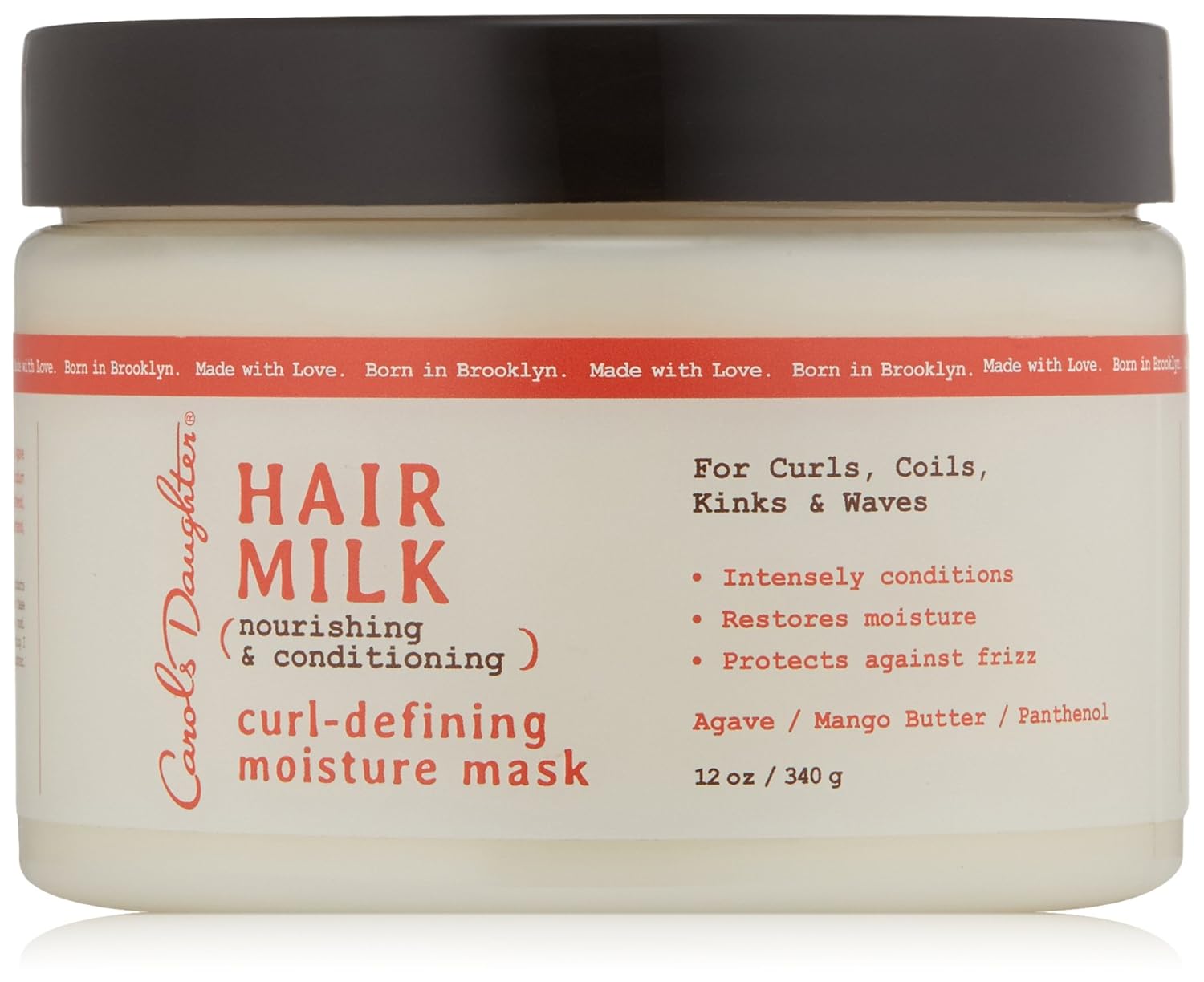
Carol's Daughter Shop NaturallyCurly

Table Of Content Hair Milk Leave-In Moisturizer Black Vanilla Leave-In Conditioner Has anyone tried Carol’s Daughter products? Goddess Stren...